The Republic Act (RA)9003
In the world we live in, there are no people who can do things that should not be done, so we have a law to follow for the good of all. Philippines enacted a landmark law the Republic Act (RA) 9003 or also known as the Ecological Solid Waste Management Act of 2001, This law tells us what to do and what not to do, people who break the law will have penalties and it will go to appropriate funds and other purposes. According to National Solid Waste Management Commission (NSWMC), Republic act (RA) 9003 “calls for the institutionalization of a national program that will manage the control, transfer, transport, processing and disposal of solid waste in the country. It will oversee the implementation of appropriate solid waste management plans by end-users and local governments as mandated by law.”
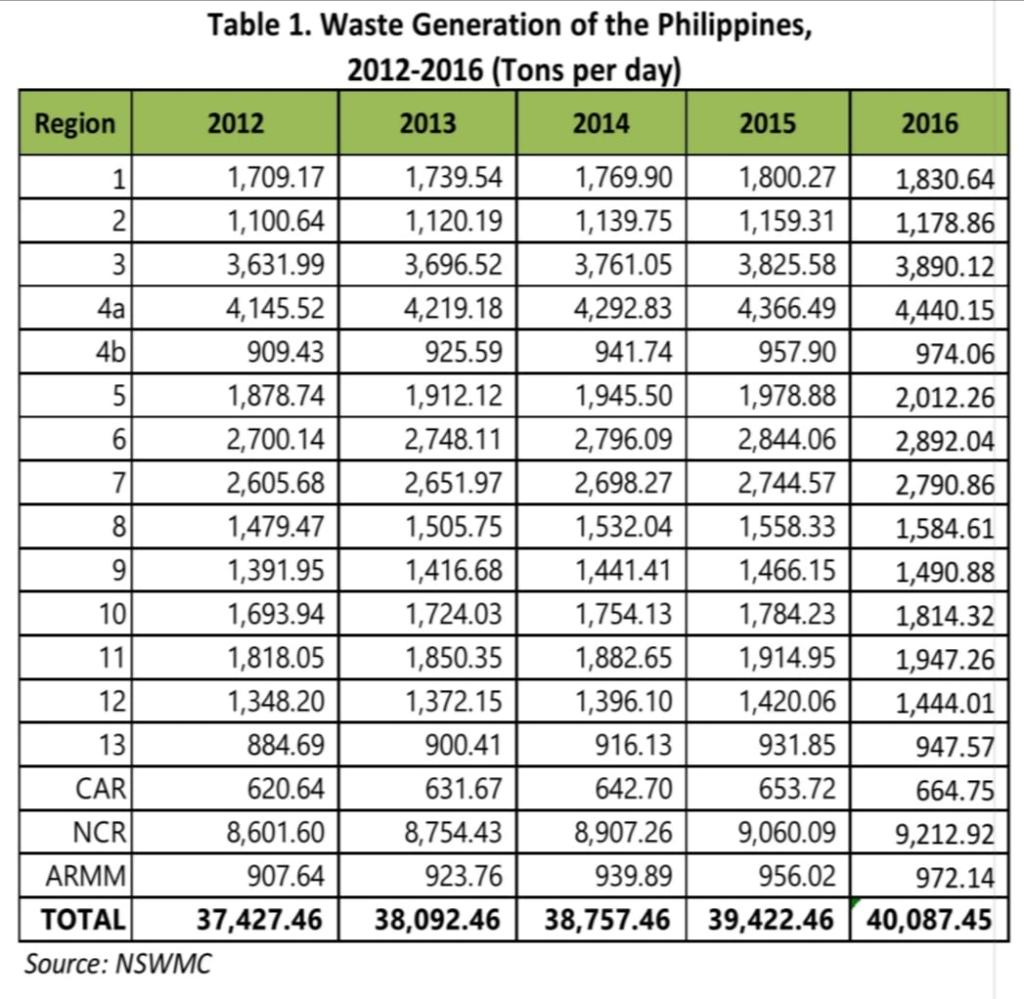
Solid Waste management is the most environmental issue here in the Philippines where people are just dumping their garbage and not following the “Basura mo, linis mo” policy. Solid Waste management is carried out in the process of disposing, collecting, and treating solid material which has been discarded because it is no longer needed or available, there are items that can also be distributed for other people to use but it depends on the person whether they will accept it. According to Dr. Premakumara Jagath Dickella Gamaralalage, The annual waste generation was estimated at 10 million tons in 2010 and this is expected to rise by 40% in 2020.

In our time with the spread of the pandemic it is the time for us to be even cleaner in our environment as well as in our body, because our enemy is a virus which we do not see. Pay attention to the possible causes of the virus or any disease. The World Health Organization has given the necessary steps to prevent the virus, such as Wear a Mask and practice physical or social distancing, stay at least 6 feet (about 2 arms’ length) from other people whether it is indoor and especially do this outdoor so that we can help to flattened the case of virus.
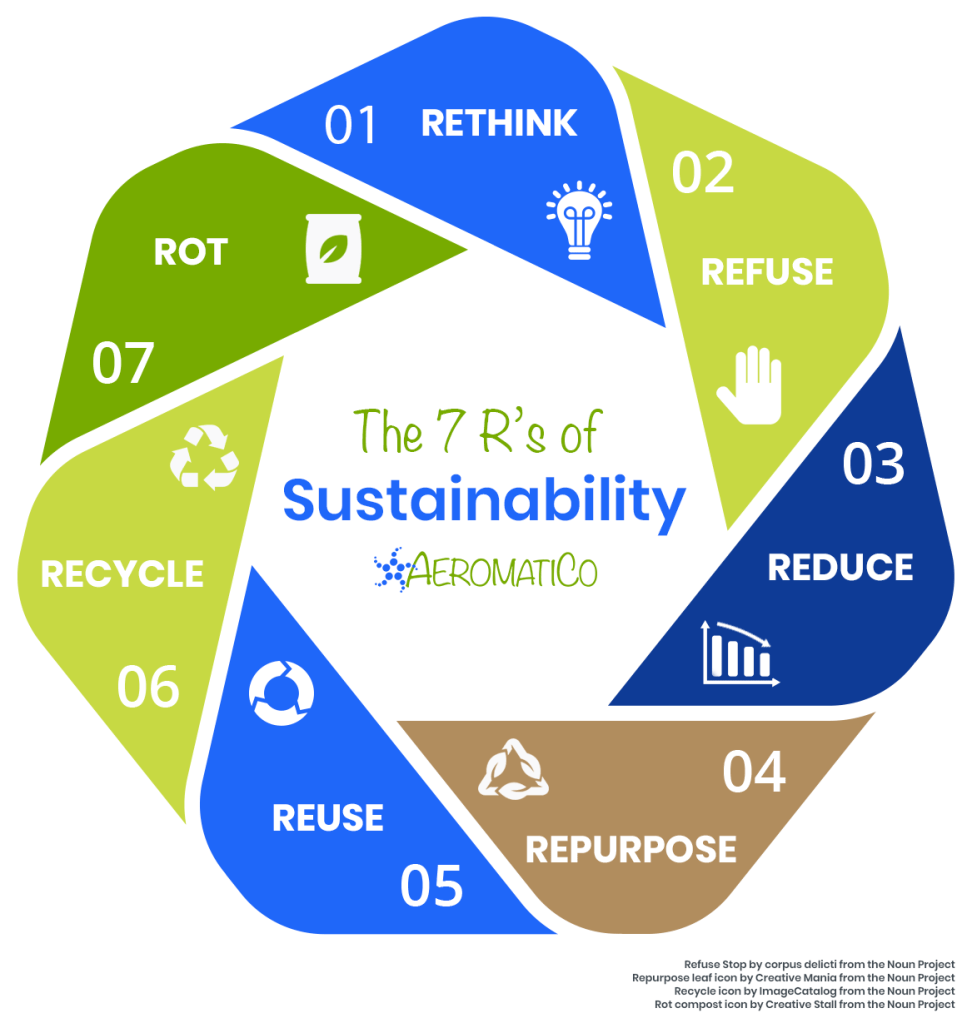
From the day that COVID- 19 enter our world and limited people whose able to go out, it is better to buy the things you need on a daily basis than just the things you want. Follow the information released by the government or the World Health Organization because they are the ones who know how to control the virus. We are also the key to flattened the virus by wearing mask, social distancing, proper hygiene, proper solid wasting using 7 R’s, and proper discipline to be the model for others.
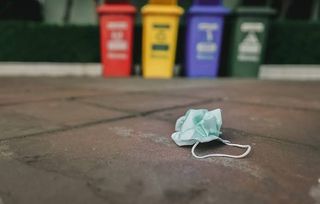
The World Health Organization gave here the basics of how to wear a mask:
- Clean your hands before you put your mask on, as well as before and after you take it off, and after you touch it at any time.
- Make sure it covers both your nose, mouth and chin.
- When you take off a mask, store it in a clean plastic bag, and every day either wash it if it’s a fabric mask, or dispose of a medical mask in a trash bin.
- Don’t use masks with valves.
Reduce the amount of waste you create:
Source: Common Floor Team
- Repair the usable items instead of throwing them away.
- Don’t throw away the things you don’t want anymore. Give it to someone in need or sell it.
- Buy products that are durable and have long life and reduce turnover of clothes and other products.
- Avoid unnecessary purchases of products, clothes and other appliances.
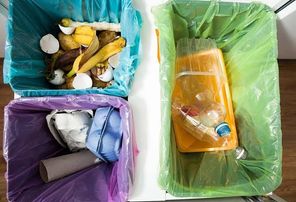
- Hazardous waste: Hazardous waste includes e-waste i.e. batteries, wires, electronic toys, remotes, bulbs, tube lights; toxic waste i.e paints, insecticides, their containers; and biomedical waste i.e expired medicines, tubes, used cosmetics, thermometer and used syringes. These should be disposed of daily.
SEGREGATION OF WASTE
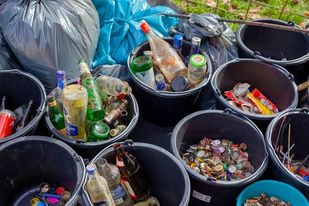
- Dry waste: keep separate plastic for dry waste like flowers, papers, plastic, glass and metal as they can be reused and recycled.
- Wet waste: wet waste like vegetables, kitchen waste, fruit peels, tea leaves, egg shells and fish scales etc. should be kept in separate plastic as they can be used as compost.
 teyaaang